Verbatim Datalife Color MF2HD Floppy Disks… Still A Work of Art

Posted 1 month ago by Eric Winchester

You might get tired of reading about floppy disks way quicker than I’ll get tired of sharing floppy disk content, I’m almost sure of it.

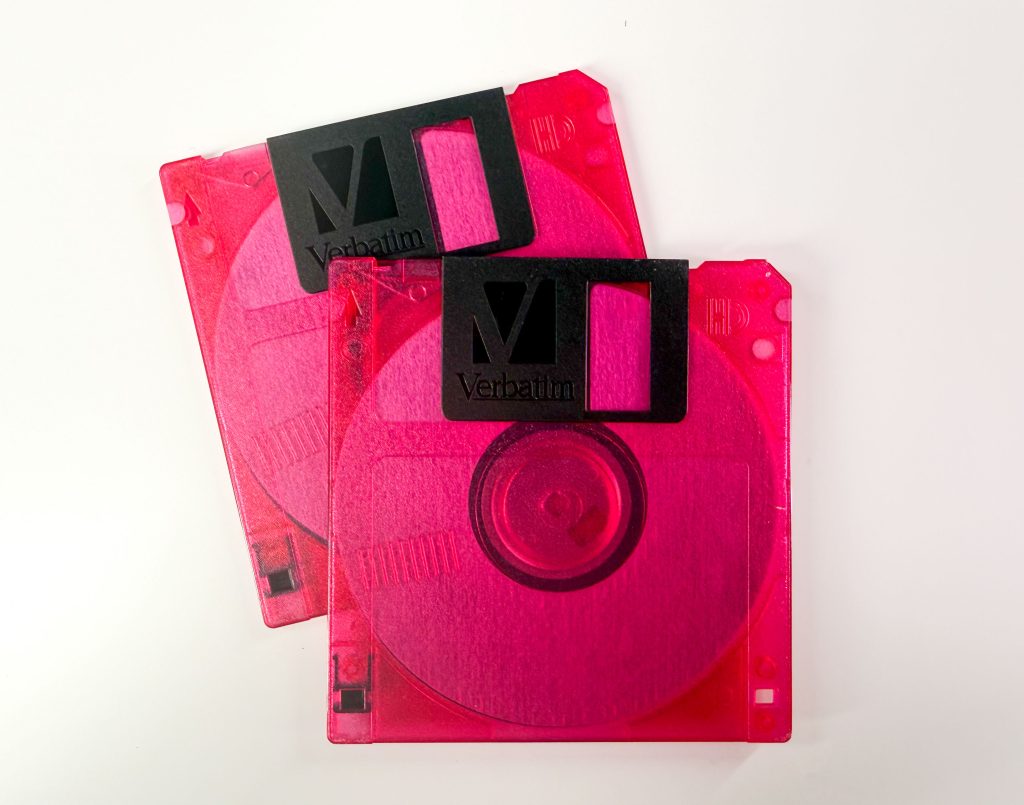
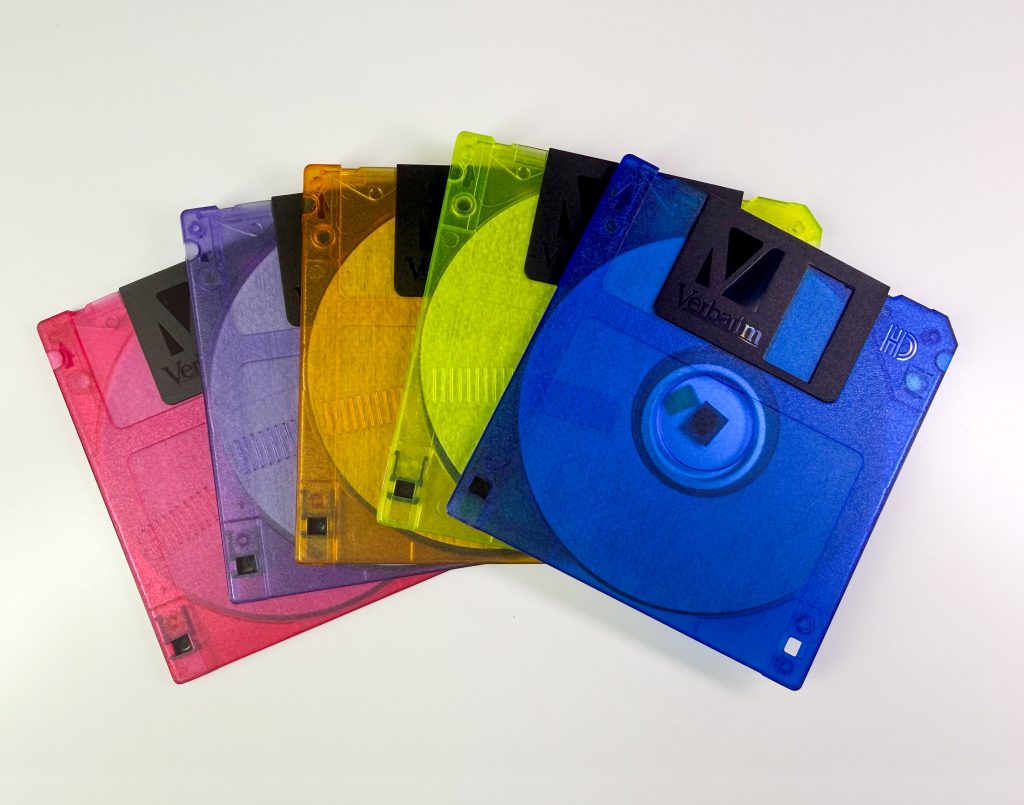
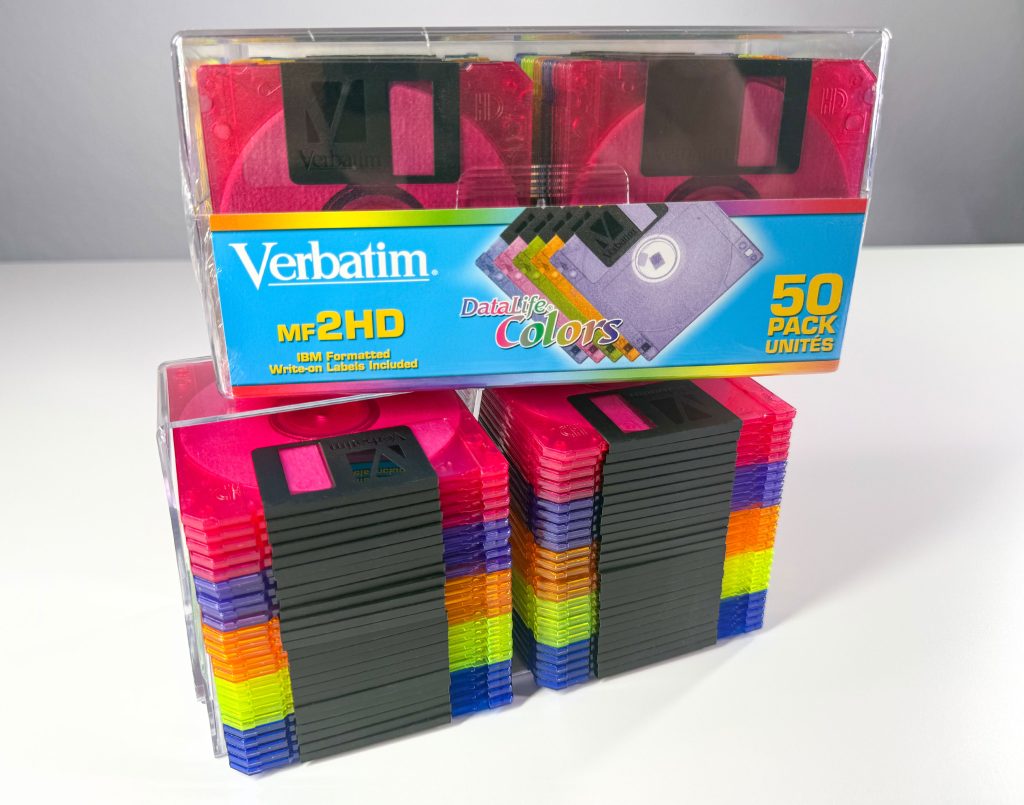
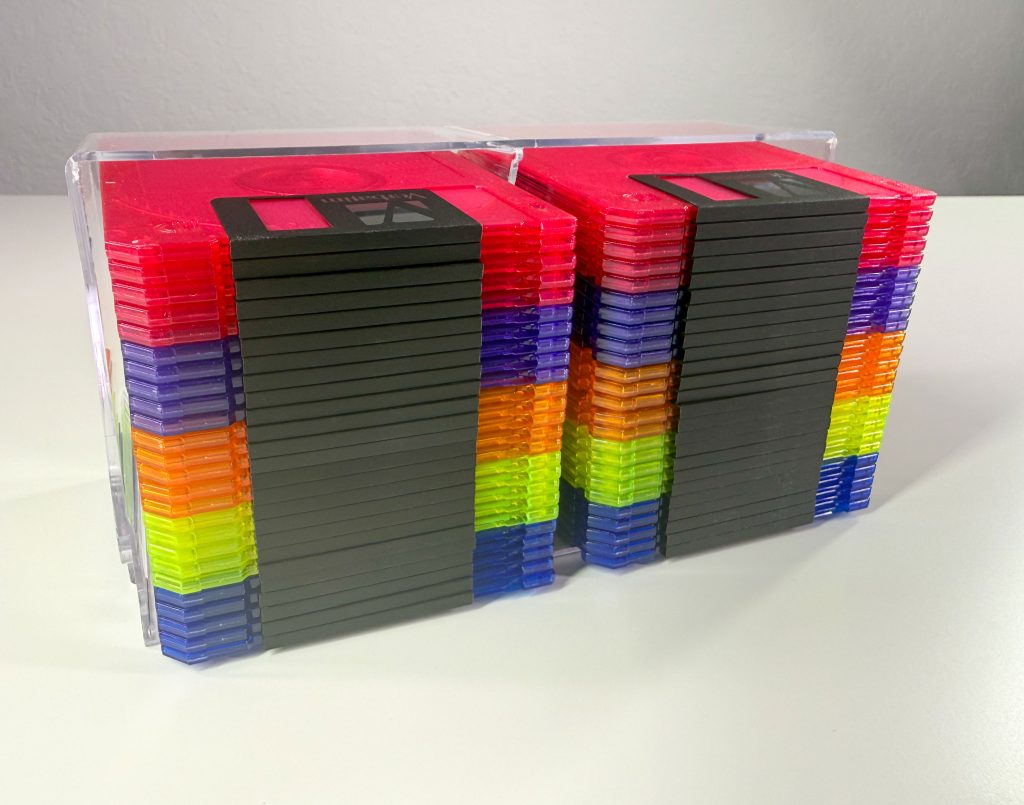
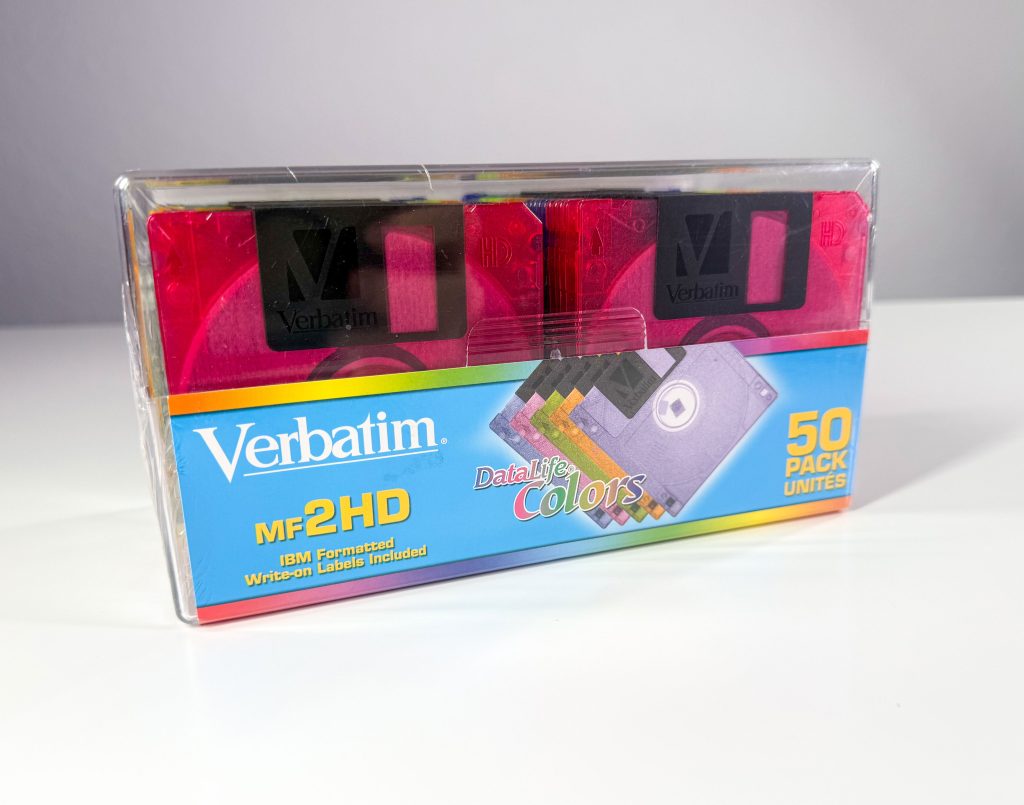
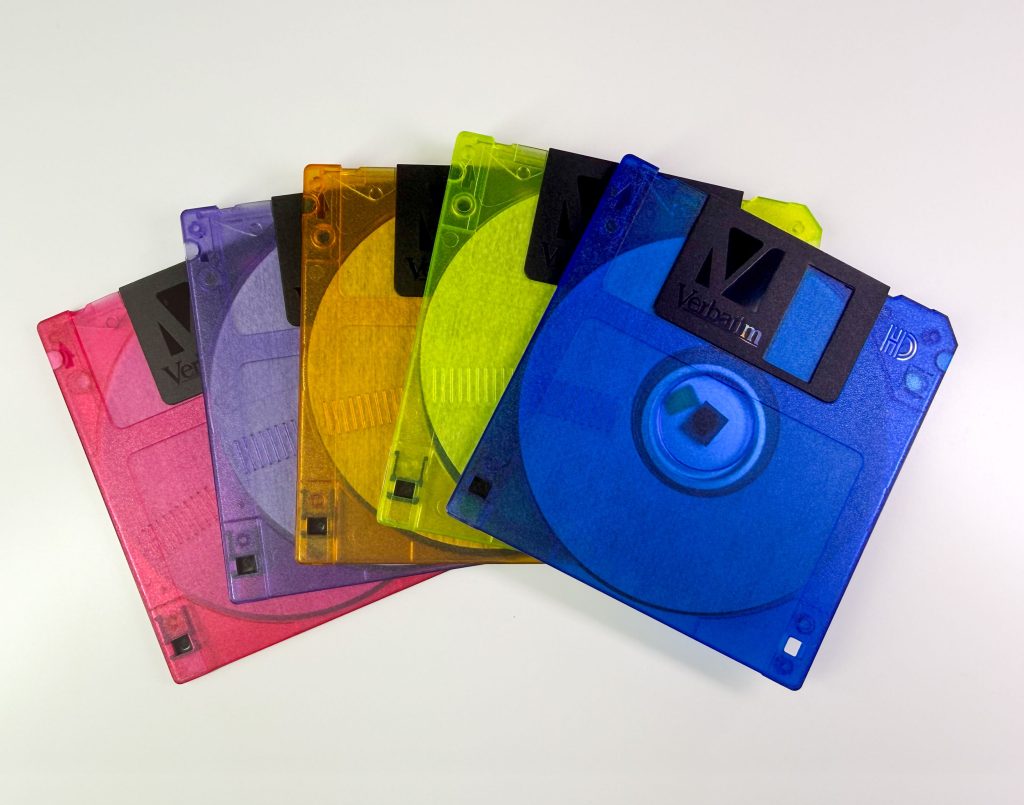
Since I’ve been working on my Failing Sectors project, a website that’s entire purpose is to be slow, breakdown, and wear out floppy disks and drives, I’ve been building the media and drive back stock collection. I came across these Verbatim Datalife Color 3.5 MF2HD floppy disks.

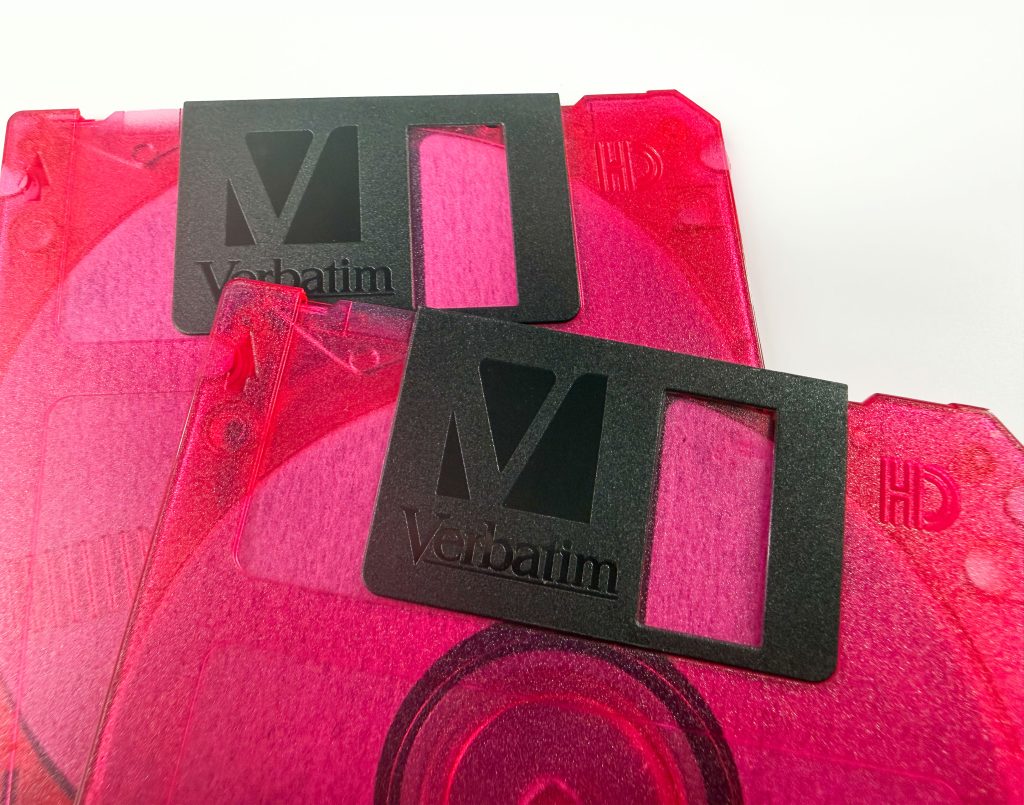
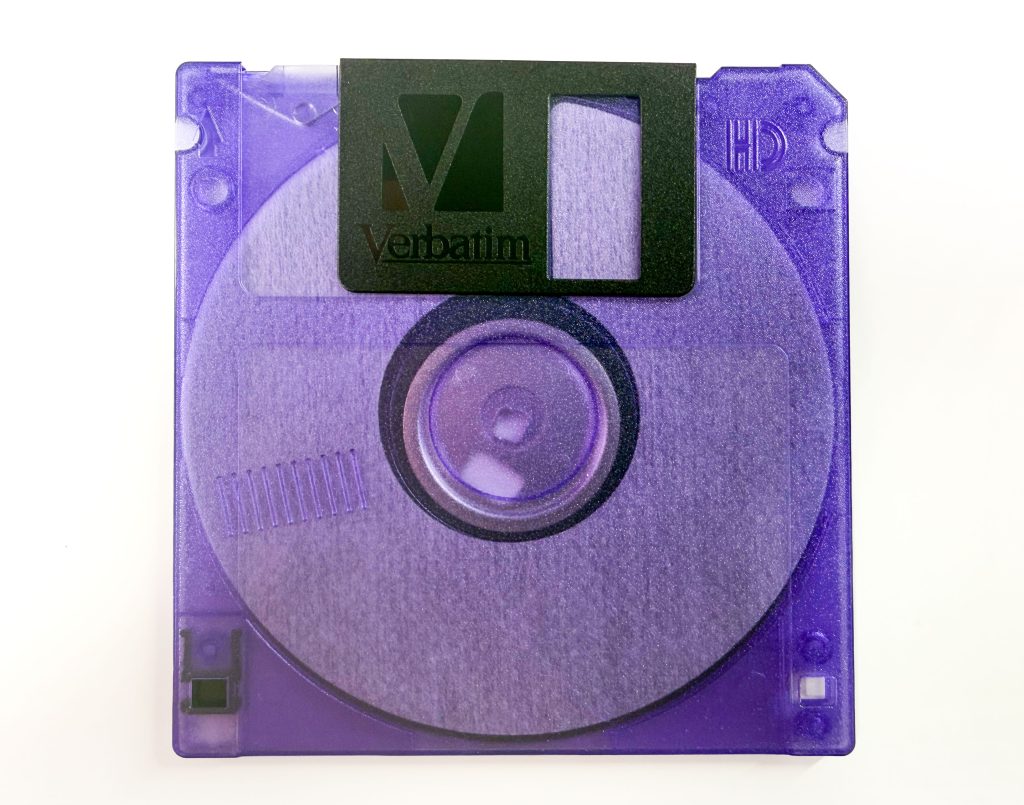
To me, these things are a work of art, the colors, the transparency, the contrast between that and the black metal shutter, with its “murdered out” style embossed logo.

I bought 2 packs of them, with the “one to stock, and one to rock” strategy, basically meaning I can keep a fresh box, and use the other ones, but they’re so nice, I don’t really want to use them, so I’ll buy another box that will be my usable floppies.

Now I’ve got hundreds and hundreds of floppies, very few are this photogenic.

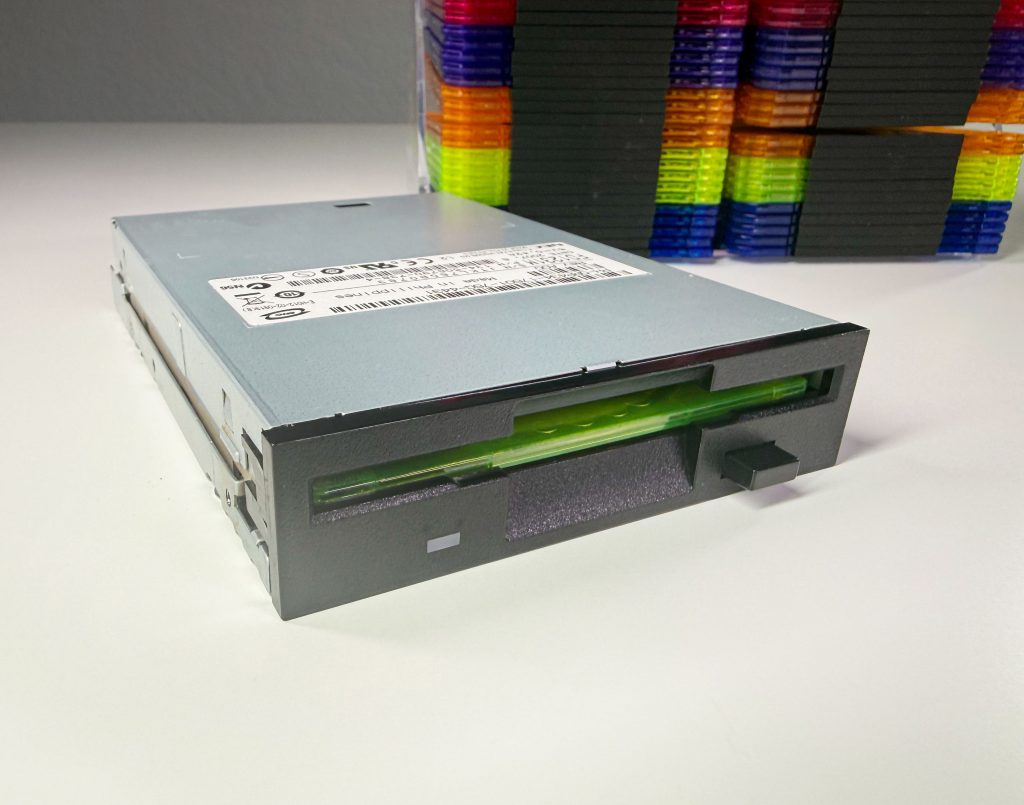
Now here’s the thing, since I’m a “content creator” taking photos of my computers, there’s a desire to see that there’s actually a floppy disk in the drive. Think about a black floppy drive, with a black floppy disk in it, is it really in there? It’s almost invisible, and the 2nd most popular color? Beige. And that has its own challenges.

Now, data reliability? That’s going to be tested in the future, from the reading and research I’ve done, there was a curve of reliability that peaked in the 90s, and as the medium phased out, the less reliable they became, and these were produced in 2003, for sure a last push, and seemed to be targeted towards students and youngsters. I guess we’ll find out the hard way, that’s kind of the point.

Floppy Disk Website Project

Posted 1 month ago by Eric Winchester

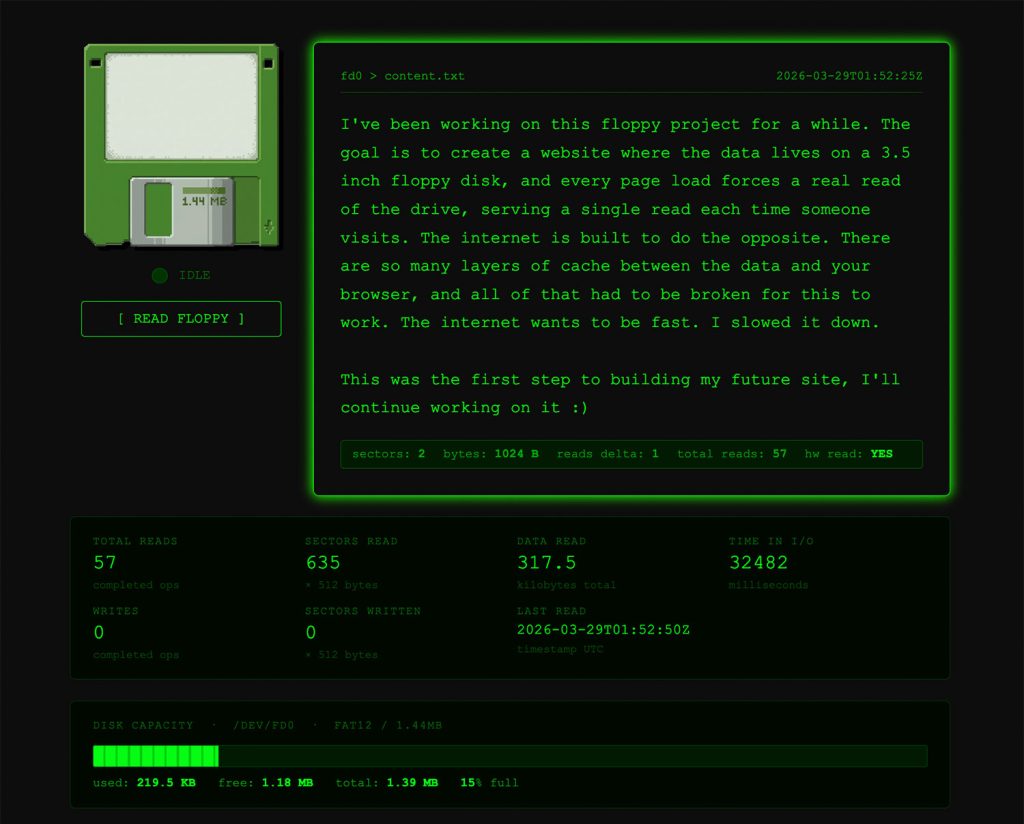
So I’ve been messing around with this floppy project for a while, and it’s been an up and down adventure. I put up my first test project, and it failed to do what I wanted, to read the floppy every page load. And that was one of many show stoppers, I’ve said many times I learn more through failure than success, and let’s just say, I’ve been learning a lot lately.

Forcing a floppy read every time a page loads, for every user? Sounds simple, but that’s just not how the internet is built to work, every single piece of technology between you and a website is built for speed, and a lot of that speed comes from caching. From the server’s RAM, disk, the connection between the website and your computer, your browser, and even your own computer. Every single step had to be told “ignore how you’ve been built, and wait for this machine to spin up a floppy disk, and load the content” and I had to figure out a way around each roadblock, and I learned, computers don’t want to be slow in 2026.

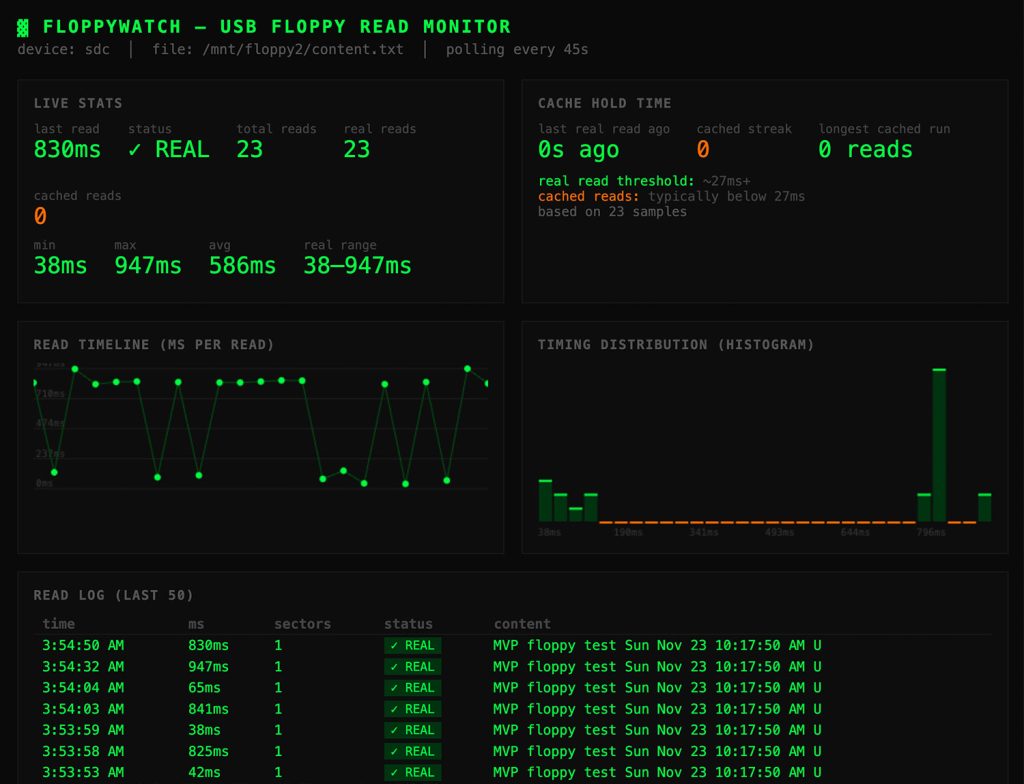
Next, I couldn’t just tell you that it was happening, I had to prove it to you. So I got to work on learning how floppies worked, where they cache, how fast a real read should take, and how to prove the reads were real. Not just to myself, but to the visitor. That’s the whole point of Failing Sectors, which is still sitting on the back burner, but I did build out an MVP proof of concept that works, and it’s provable. You can check it out here floppy.er1c.win and when it loads, I’ll most likely hear it spin up.

Now, if you are anything like me, and a little mischievous, you’ll sit there and hit refresh and destroy the floppy, well that’s the point, that’s why the project is called Failing Sectors. Luckily I pulled up my analytics tonight, and noticed there’s absolutely no one reading this blog anyway, so it feels pretty safe, but in the future I’ll be creating some redundancy, and some security filters that limit single IP addresses, and hopefully have enough audience to burn through some floppies! (but don’t test that yet)

So here’s the project update: The technology works! (Or maybe I should say, I’ve broken it, successfully) I still need to build the server, which is a whole story on its own, and the first server is already going to be replaced before it even launches, but I’ve gotta shoot the video about it first, because that’s all a part of the project.

Since part of this large project also involves read floppies on a floppy <> USB controller, I’ve tested this as well, and built a bunch of cool tools, and understand more that I ever wanted to know about floppy speed, sector reading, and logging!

The journey continues…

Moving My Entire Life To Obsidian

Posted 7 months ago by Eric Winchester

I’ve been using Obsidian lately. They call it a “second brain.” Maybe it is. What I know is this: it’s a Markdown editor, which means everything is raw text. No hidden formatting, no bloated files that only open in one program. Just text I can open anywhere, edit anywhere, and keep forever.

Here’s how I use it.

I started with one little web server, an HP EliteDesk 800 G3, the same box you’re reading this on right now. I didn’t spin it up with some big master plan. I just wanted a reason to mess around with Linux again. Putting a website online gave me that excuse. You need a destination before you can enjoy the drive, and for me, the website was it.

From there, projects started stacking up. Backup scripts, little utilities, network tweaks — each one felt like progress, but I had no system. Notes were scattered across random files and half-remembered commands. And it wasn’t just simple stuff. One day I’m looking up a long backup string for the hundredth time, the next I’m piecing together my floppytop script, or trying to remember where I saved the code that spits out my web stats. The projects were fun, but the way I was tracking them was holding me back. That’s when I realized I needed to start documenting for real.

(more…)

Ericserv 2.0

Posted 9 months ago by Eric Winchester

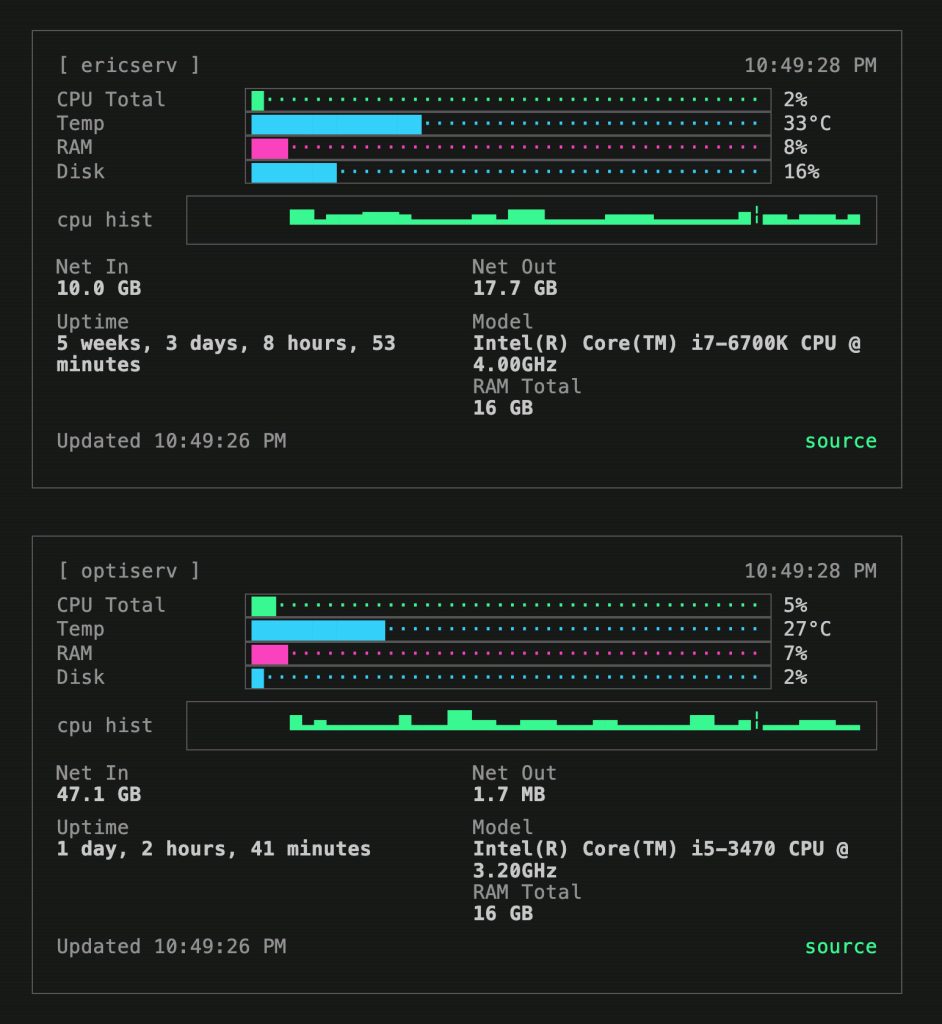
Ok, I got tired of how ericserv.com looked, so I gave it a quick visual overhaul. Since I have netstats running, the next version will be much geekier. Tonight was just a quick fix because this page was one of the first things I put up when I started building my homelab.

I keep learning, advancing, improving, and upgrading.

All I want to do is homelab

Posted 10 months ago by Eric Winchester

It started simple enough. I wanted to host some personal websites because I was tired of paying for WP Engine, and honestly, I just wanted an excuse to dive back into Linux. I wasn’t even aware of the word homelab at the time. I just wanted to run a simple web server.

I got my first real “server,” an HP EliteDesk 800 G3 Mini. Got it up and running. I was now online.

Once the site was up, I was like, alright, this is the production server now. I don’t really want to screw with it too much. But I still wanted to keep learning, messing with stuff, installing things just to see what happens. So I figured I’d spin up a second box. Something I could totally trash if I needed to. Reinstall, wipe it, whatever. That felt like the right move.

That second machine became OptiServ, my sandbox server. And yeah, I’ve got a soft spot for it now. There’s just something about SSH’ing into a machine you named, giving it a purpose, and watching it grow into something real. That’s when it clicked.

I was hooked on homelabbin’.

I’m nowhere near done. Every day I’m learning more, building more, trying things, breaking things, fixing them, figuring it out. I’ve even got some floppy-drive projects in the works. More on that soon.

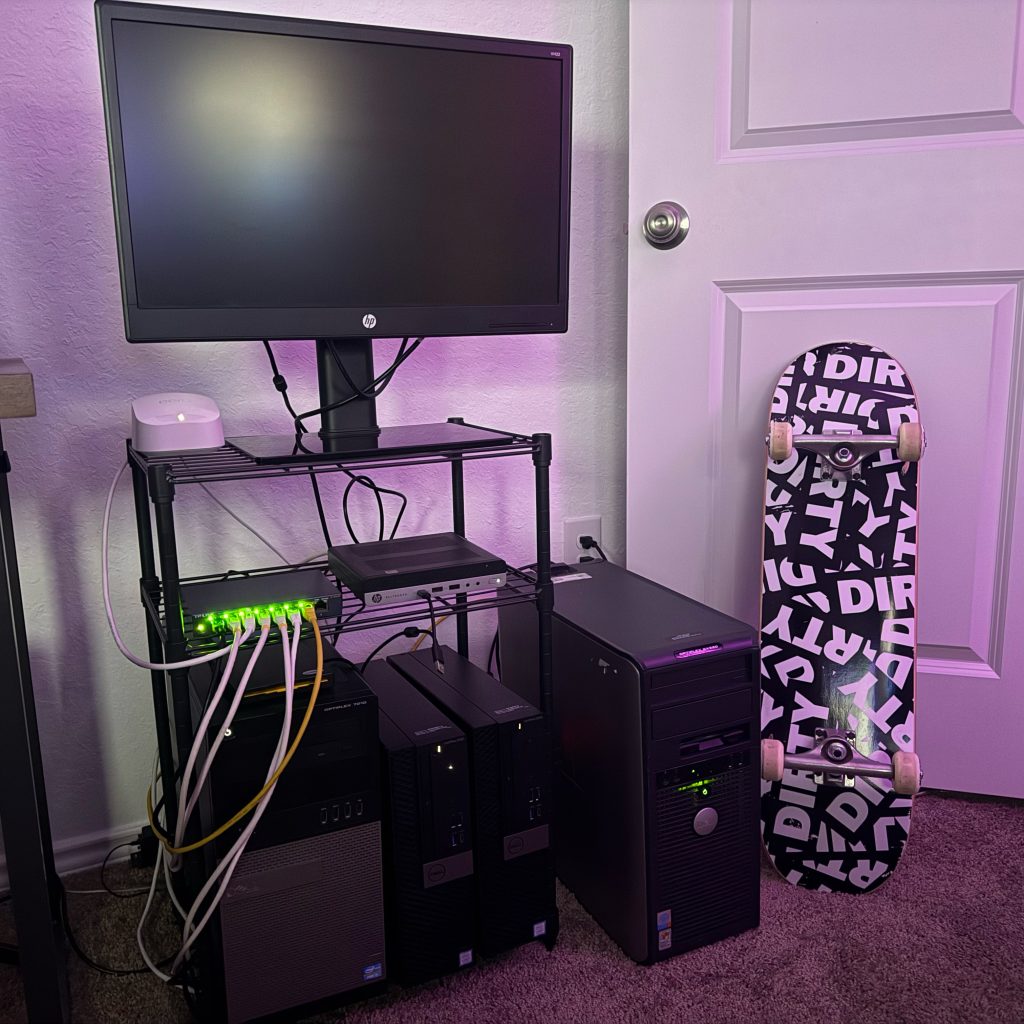
Dropping a quick pic of where the lab stands today. If you’re a normie, this might look impressive. If you’re one of us, you already know. This is just the beginning.

We haven’t even scratched the surface yet.

I’ll keep you posted. Buckle up.